
About Eastmallbuy Spreadsheet
Click the images below to browse!
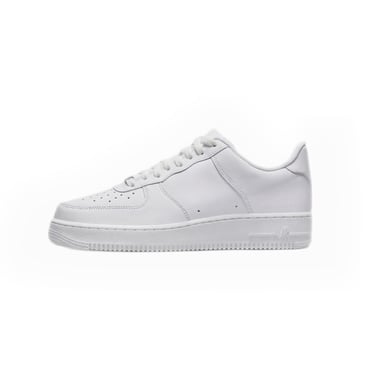
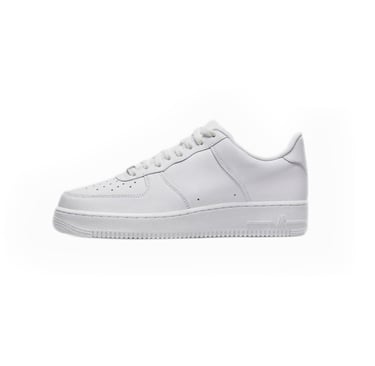


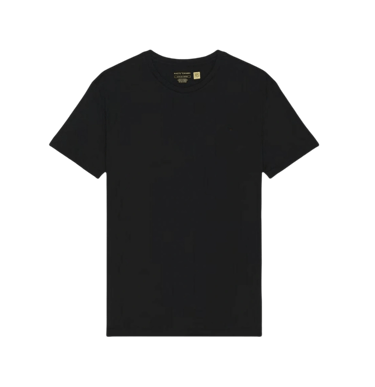
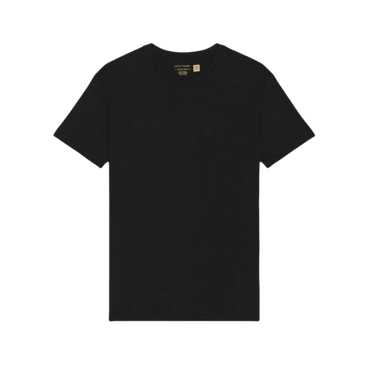
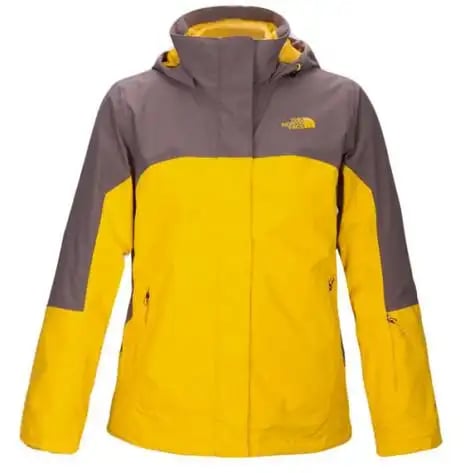
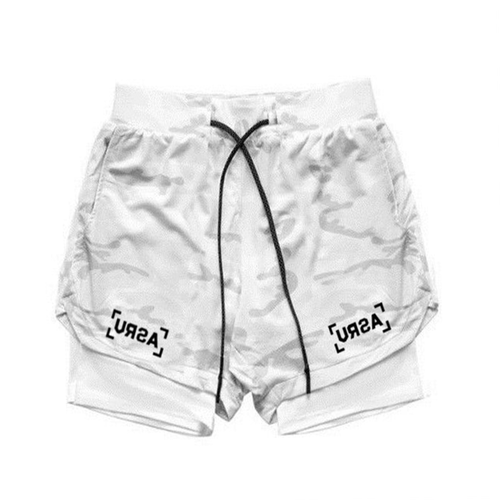

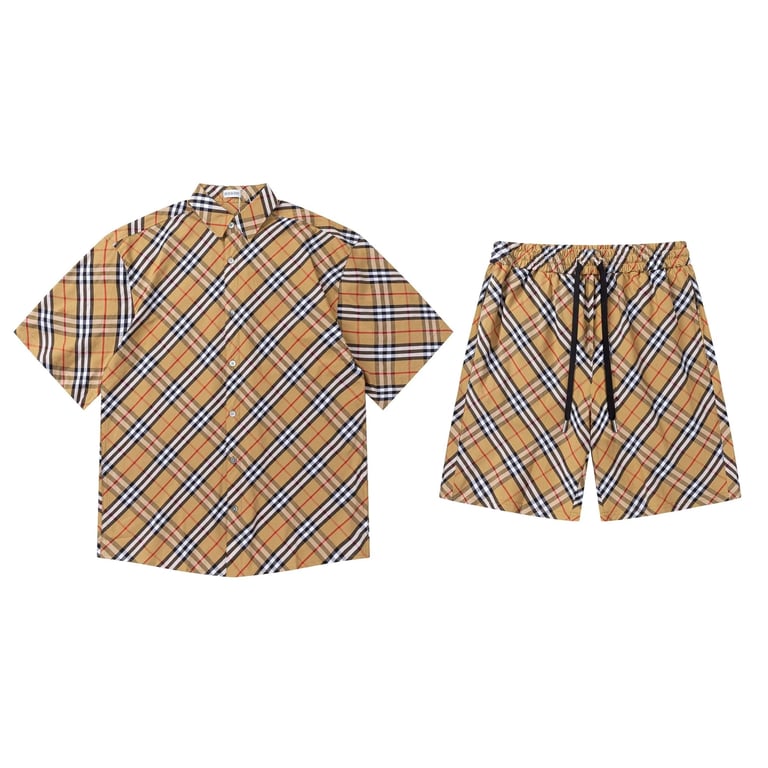
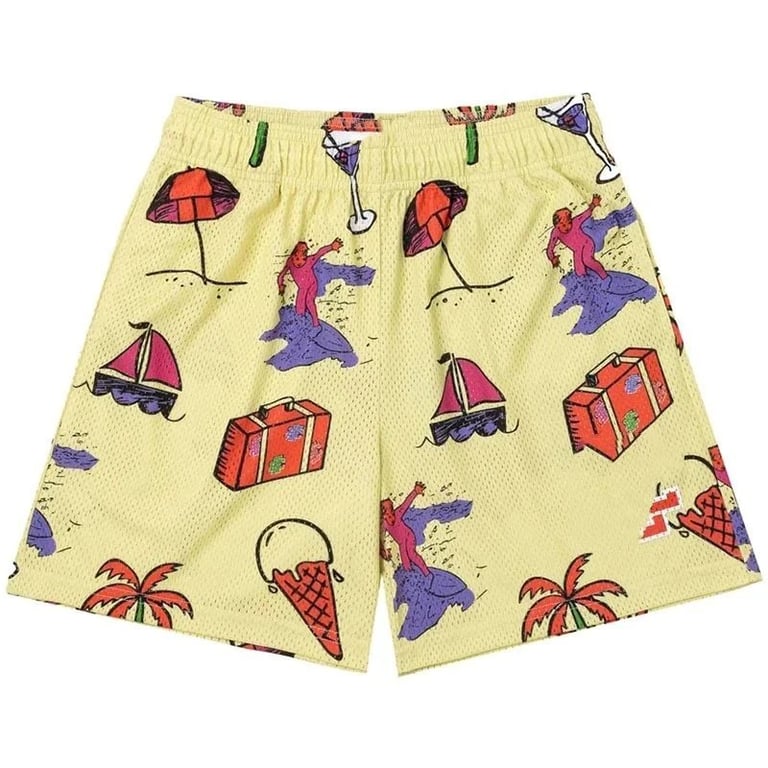
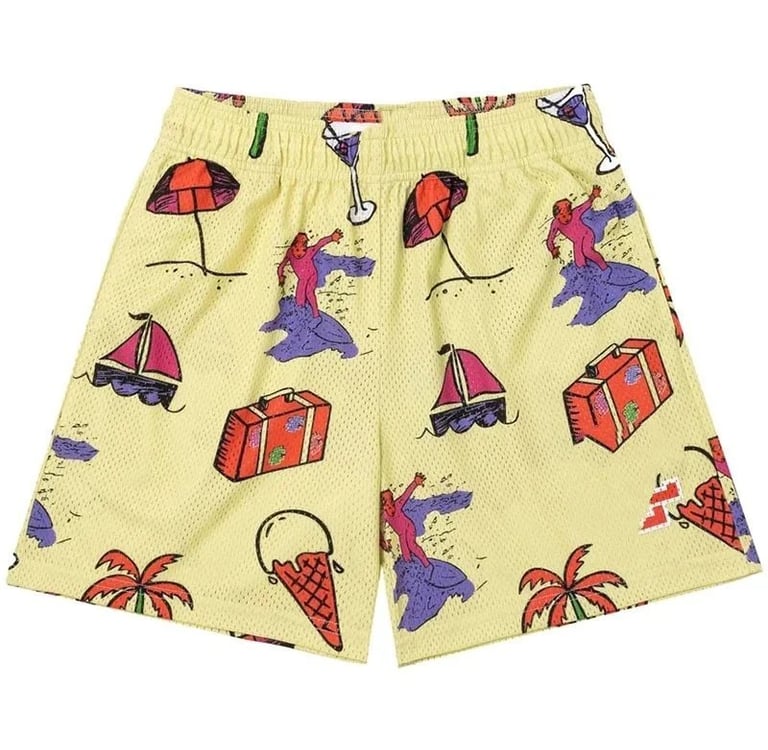
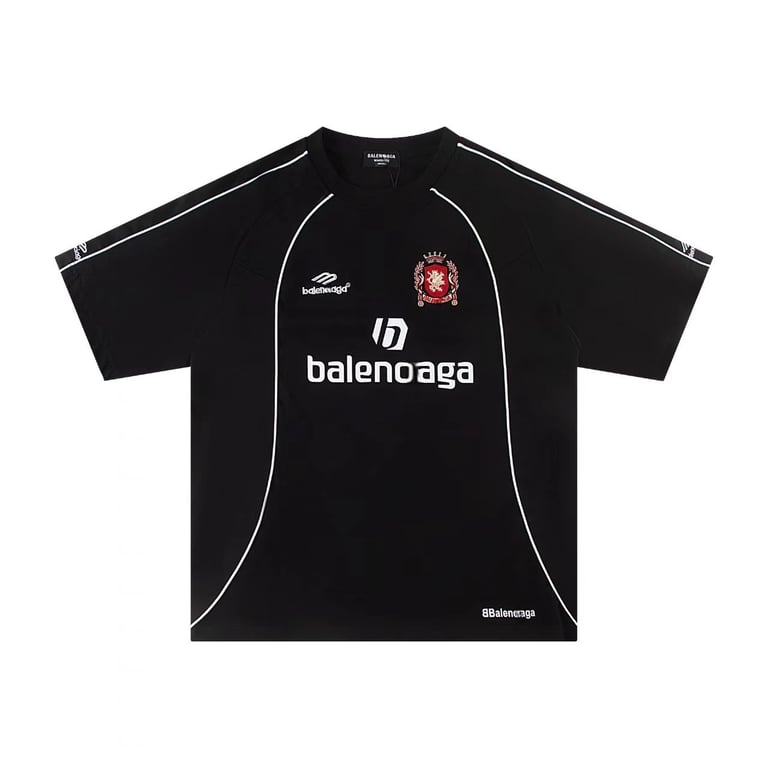
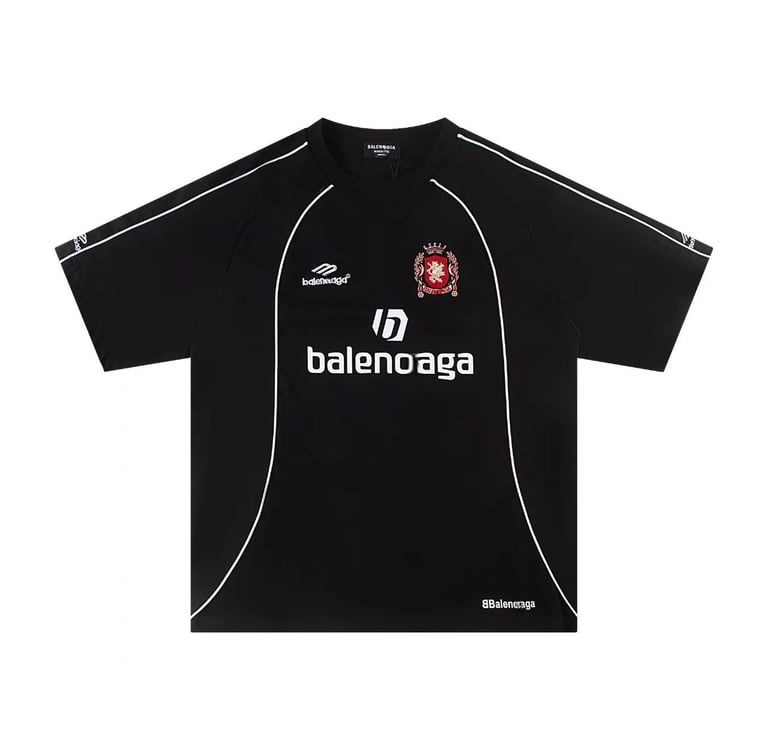



🌐 How Eastmallbuy spreadsheet transforms daily consumer goods shopping experience globally|consumer habits + product access + purchasing structure
🧭 Introduction
Global daily consumer goods shopping is undergoing a structural transformation as cross-border ecommerce becomes more interconnected. Instead of relying on local retail systems, users increasingly access international suppliers for routine household products, personal care items, and low-cost essentials. However, this shift introduces complexity in product access, consistency, and purchasing structure across markets.
The Eastmallbuy spreadsheet is designed to reorganize this fragmented environment by structuring global consumer goods into unified purchasing frameworks. It enables more predictable access to daily essentials across borders while Eastmallbuy links provide direct entry into categorized product groups, reducing fragmentation in sourcing behavior.
This reflects a broader evolution in how consumers interact with global retail systems.
🌍 Shift 1: daily goods moving toward cross-border centralized sourcing
Daily consumer goods are no longer confined to local retail systems. Increasingly, users source household essentials, hygiene products, and everyday items from international platforms due to pricing advantages and product variety.
This shift is characterized by:
Higher reliance on cross-border suppliers for routine goods
Increased acceptance of international household sourcing
Reduced dependence on local retail stock cycles
Expansion of global product accessibility for daily use
The Eastmallbuy spreadsheet organizes these distributed supply sources into structured categories, making cross-border sourcing more systematic and manageable.
🔄 Shift 2: from single-product buying to structured purchasing behavior
Consumer behavior is also changing in how products are selected. Instead of purchasing isolated items individually, users increasingly group purchases into structured baskets based on usage scenarios.
This behavioral shift includes:
Bundled purchasing across categories (kitchen, cleaning, personal care)
Preference for pre-organized product sets
Reduced focus on single-item decision-making
Higher reliance on comparison-based selection frameworks
The Eastmallbuy spreadsheet supports this transition by grouping related products into structured purchasing environments, allowing users to evaluate multiple items simultaneously.
⚙️ Spreadsheet-driven transformation of purchasing pathways
Traditional ecommerce flows rely heavily on search-first behavior, where users must actively locate and filter products before comparison begins. This creates inefficiencies in fragmented cross-border systems.
The Eastmallbuy spreadsheet changes this pathway by:
Pre-structuring product discovery before user interaction
Reducing dependency on repeated keyword searches
Enabling direct movement into comparison-ready product clusters
Maintaining continuity across browsing sessions
This shifts the purchasing process from reactive searching to structured navigation through predefined product logic.
🧩 Standardization of global household consumption patterns
As cross-border ecommerce matures, household consumption patterns are becoming increasingly standardized across regions. Despite cultural differences, the core structure of daily goods consumption remains highly similar.
Common converging patterns include:
Universal demand for cleaning and hygiene products
Shared reliance on basic kitchen and storage tools
Consistent replenishment cycles for personal care items
Similar functional expectations across global households
The Eastmallbuy spreadsheet reflects this convergence by organizing products into globally consistent categories, allowing cross-market comparison within a unified structure.
🧠 Digital consumption evolution and retail behavior modeling
From a behavioral perspective, digital consumption is shifting toward systems that reduce friction in decision-making. Users increasingly prefer environments where product relationships are pre-structured rather than individually discovered.
Key behavioral trends include:
Reduced tolerance for fragmented browsing experiences
Preference for structured product environments
Increased reliance on pre-grouped consumption sets
Faster decision cycles when comparison is embedded in structure
The Eastmallbuy spreadsheet aligns with this evolution by embedding structure into the earliest stage of product interaction, shaping how users perceive and evaluate global daily goods.
🧾 Conclusion
In a typical cross-border shopping session, a user browsing daily essentials does not consciously think in terms of systems or structures. Instead, the behavior is fragmented: checking a few items, switching categories, comparing prices briefly, and then returning to previously viewed products before making a decision.
The Eastmallbuy spreadsheet appears in this flow not as a guiding framework in the traditional sense, but as a stabilizing reference that quietly reshapes how choices are revisited. Products are no longer re-evaluated from zero each time; instead, they are encountered within an already organized field where context persists across interactions.
What changes is not the presence of choice, but the way repetition behaves inside the decision loop.